
ANNESLEY WOODHOUSE WMC & INSTITUTE
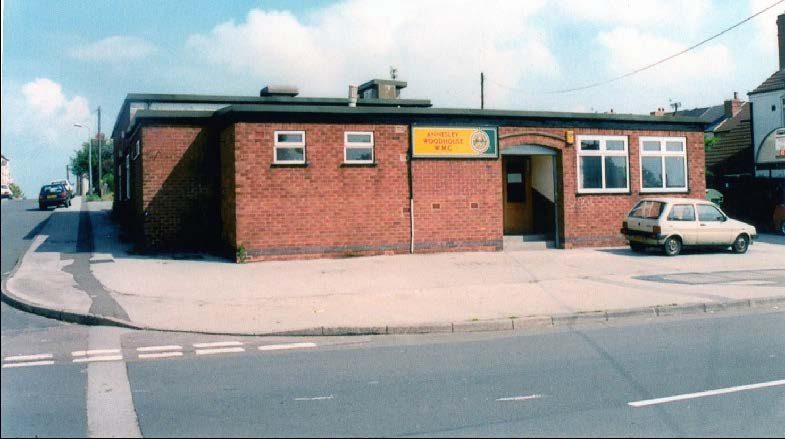
50TH ANNIVERSARY AT FOREST ROAD
1960 - 2010
The Annesley Woodhouse Working Men’s Club & Institute has provided the people in and around Annesley Woodhouse, as well as the outlying neighbourhoods with a provision of social enjoyment, liquid refreshment and entertainment for many years.
The club has been cited in different places around the Woodhouse throughout its history. The present situation is now well established as the club has been located on the corner of Fox Street and Forest Road for the past 50 years.
During the period the Club has existed it has been a thriving business owned by the members
The Committees throughout periods of time have maintained one common goal and that is to continue by providing a service of recreation for its members.
This booklet attempts to give a brief insight into the history of what is recorded
Keith Stanley – Club Secretary
Annesley Woodhouse Working Men’s Club
From information presented by Ernie Bend, whose father for many years served on the Committee of the Club the establishment began in March 1911 when the property at the corner of Cuts Row and Reform Street was transformed into a Club.
There are suggestions that some kind of Club may have begun earlier in a wooden hut building on Main Street Annesley Woodhouse, however as it is unqualified information this booklet begins with the information of the Club on Reform Street.
The March opening date of the Club coincided with the date the 1911 Lincoln Handicap horse race was run. When the Club moved for a second time to its present location and was officially opened on 19th March 1960, again coincidently the Lincoln Handicap was run on the same day.
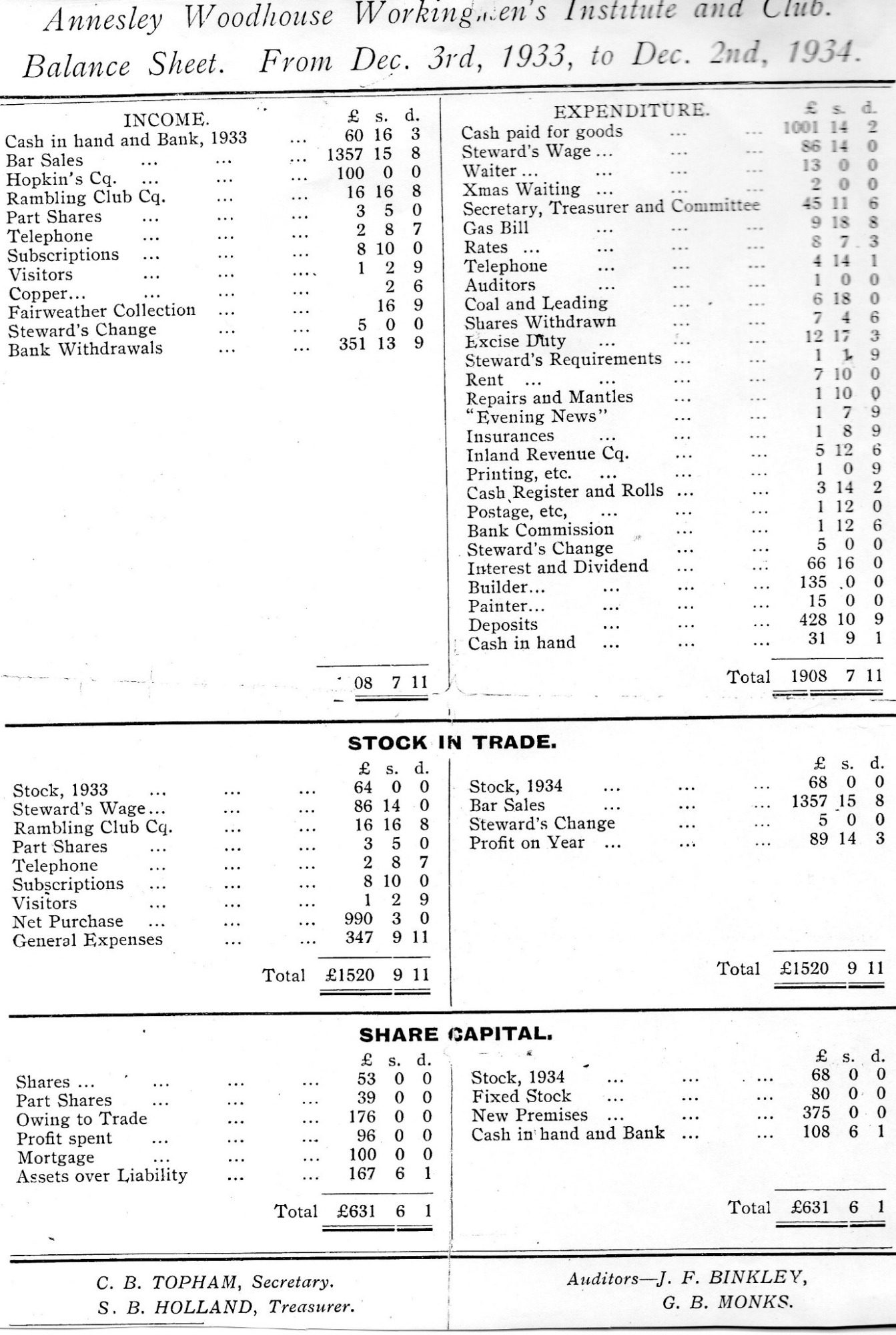
Unfortunately the Club’s history from 1911 up to 1933 is a mystery as minute books of the Club’s business are not in the archives. There is however the first recollections of the Club’s existence in some memorabilia found, that records the Club’s Income & Expenditure accounts for the year December 3rd 1933 to December 2nd 1934
Interestingly in the expenditure column there is reference to repairs and mantles and deliveries of coal with no reference to electricity costs at all. Inevitably the Club’s only lighting would have been by gas light and the heating by open fire. The Income & Expenditure information does show that the Club was a thriving little business back then and presumably belonged to the members at that time as there is a section in the report referring to dividend payments which indicates that members would have been share- holders.
Another piece of archive material shows that the Club’s Committee were summonsed to attend the County Courts in October 1933 over a dispute on the ownership of the land the Club was cited on.
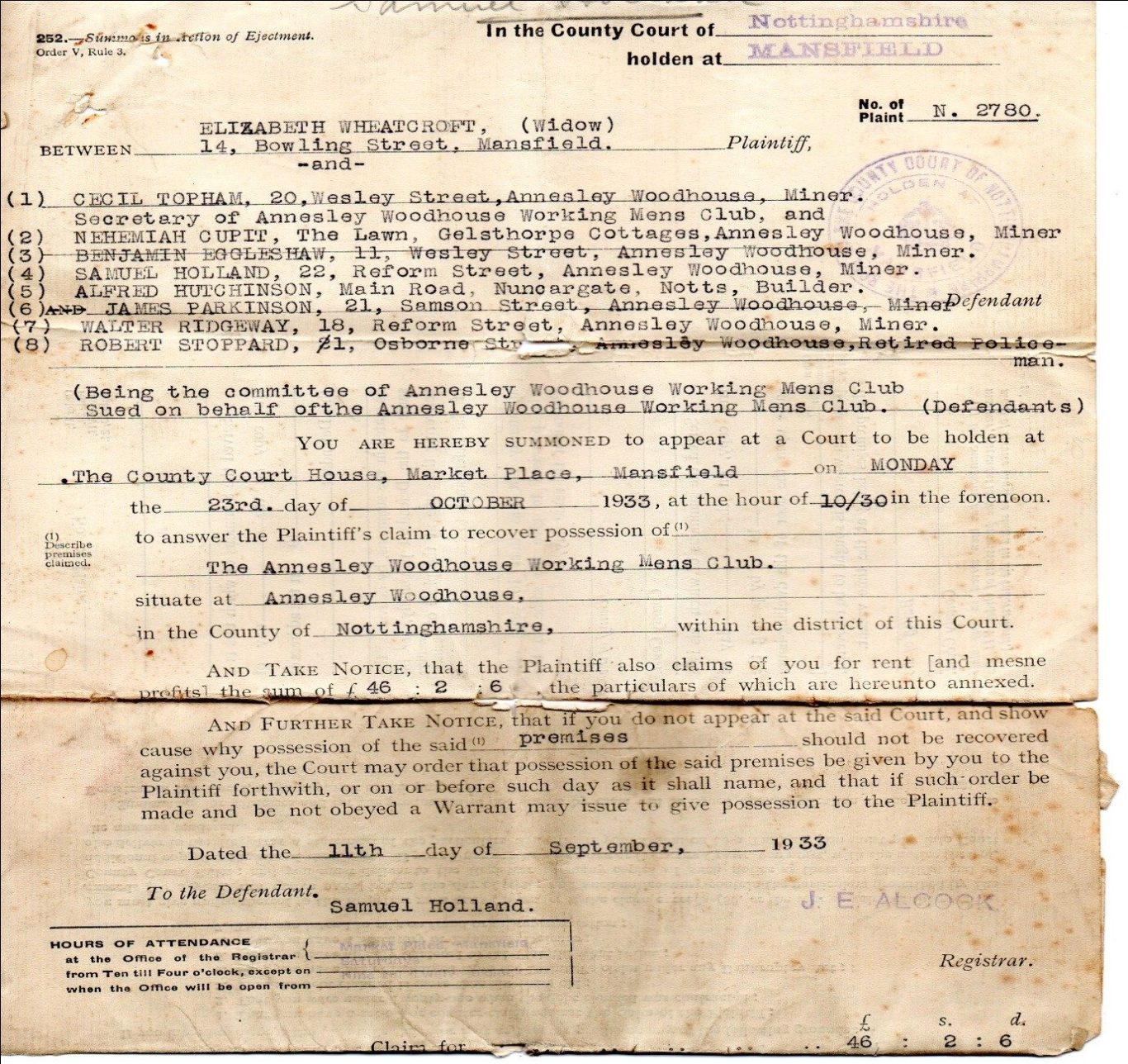
A challenge came from a Mrs Elizabeth Wheatcroft against the Committee as there was a question of unpaid mortgages and a sum in the region of £660.00 outstanding. The property was conveyed by a William Hart from a William Featherstone in 1898. William Featherstone died on 22nd January 1901 and left the land to Elizabeth Featherstone and a debt reclaimable on the mortgage to William Hart of £427.00. A further £133.00 was advanced to William Hart making the mortgage sum total £550.00. In 1905 a further £100.00 was advanced to William Hart by Elizabeth Featherstone (Wheatcroft) making the sum owing £660.00. On 12th September 1922 William Hart repaid £100.00 to Mrs Featherstone.
It was in 1911 that William Hart entered into a contract for the lease of the premises to the Annesley Woodhouse WMC. The Club was initiated on the premises by agreeing to pay the interest on any purchase money outstanding.
It appears that business continued from 1911 unaffected until 1922 when on 2 February 1922 William Hart died. The sum of £560.00 was still outstanding to Mrs Featherstone (Wheatcroft) and the Club apparently discontinued with the payments of interest. Subsequently after a three month lapse of payments Mrs Featherstone demanded that the property be returned to her possession. The Committee of the day refused to do so and this resulted in Mrs Featherstone seeking a Court order against the Club’s Committee to regain possession of the premises.
The Court case was held on October 23rd 1933 and although the Club’s archives gives no reference to the outcome, it is highly likely that the Club and its Committee lost the case as it is clear that the Annesley Woodhouse WMC changed its address shortly afterwards in December 1934. There is no reference as to whether the Club had to pay back arrears of £46.2s.6d interest. There is also no reference to whether the Club had to cease trading until another location could be found or indeed if a compromise was agreed. In the Club’s balance sheet for 1948 there is a valuation of £600.00 for the land and building on Sampson St. There is also a note written on the sheet that says the property of 460 sq. yds was purchased for £175.00 and of the Club being opened on December 1st 1934.
The Club’s at that time was commonly known as the Blood Tub arising from the property purchased originally being a slaughter house/abattoir. It is a nickname that continues to be used even today when old members reminisce.
Records lost over the years, restricts the Club’s archives however minutes of meetings in our possession begin in 1945. The minutes are continuous from the end of the Second World War June 10th 1945 until 1961. From 1961 to 1966 records are also missing
Some interesting extracts from the minutes
At a Committee meeting 24th June 1945 it was proposed and seconded that the Steward be paid £3.00 to work on Victory Day.
At a Committee meeting 8th July 1945 the Committee agreed to write to Dunks & Co to cancel contract for Central Heating at the Club due to the Ministry of Works refusal to grant a licence for the work to be carried out. This refusal caused the Committee to look at other heating methods and alternative heating apparatus was purchased at £50.00
In the September of 1945 the Clubs minutes report that owing to the shortage of beer production the Club will close on Sunday nights and re-open on Monday’s whilst the beer lasts.
There is also reference in the December 1945 minutes that an application by the Home Guard to use the Club’s best room for a meeting was granted.
The Club’s minutes give a very brief outline of the Club’s business leading into the 1950’s. There are annual references to dividend returns to members based on purchased receipts and the average returns to members remained stable throughout the 40s and 50s at around 2/- to 2s.6d per 30/- bundles
One minute from 24th May 1953 proposed that the Club applies to the Magistrates Courts for an extension in business hours to celebrate the Queen’s Coronation and agreement that the Steward be paid double time on the day.
The minutes recorded the Club’s business throughout the 1950’s without anything outstanding happening.
It is not until 16th March 1958 that the Committee meeting minutes makes reference to the Committee agreeing to pay part of the Valuation fees for a plot of land owned by Mr Maddocks.
On 30th March 1958 the Secretary and President are instructed by the Committee to meet with Mr Maddocks to discuss the land
On the 1st June 1958 it was agreed that a tender for the land could not be placed until the Mansfield Brewery report was received. Although nothing of detail is recorded in the minutes the documentation in the Club’s deeds show that Mansfield Brewery agreed to loan the Club’s Committee £7,000.00 to purchase the land.
The Committee meeting 29 June 1958 records that it was agreed that a tender be sent out in relation to a new building
At the Committee meeting 19th October 1958 it was agreed that CA Warden be contracted to build the new Club.
There are references of meetings with Wardens and also about finding extra information from elsewhere on the cost of bricks for the new build
A payment of £412.00 to Wardens was agreed at 25th January 1959 Committee meeting. A further payment of £1,650 to Wardens was agreed at 22nd February 1959 meeting
It would appear from the minutes that there was a problem with the contractor Warden during the build, as a Committee meeting agreed that a letter should be sent to CA Warden seeking an interview, failing this legal advice would be taken.
On 15th November 1959 the dispute with Warden seemed to have been settled as a further £2,062.10s.0d was paid.
A special committee meeting was held 9th March 1960 and it was agreed that the trustees would open the Club on Wednesday 16th March 1960 at 11.00am. It was further agreed that Mr Jenkins from Mansfield Brewery be invited to officially open the Club on Saturday 19th March 1960 at 6.00pm.
At the Committee meeting 17th April 1960 it was agreed to put the Old Club up for sale at £650.00. The Old Club was eventually sold in August 1960 for £500.00 to Stanley Out-side Caterers.
Over the years the new Club has had several face lifts and internal structural changes as the Club began in the 1960’s with four separate drinking rooms with members also standing in the passage to the snooker room. The snooker room and Concert room were eventually joined together and then in 1992 the whole of the bar area was moved from the centre of the Club and placed down the right hand side of the old snooker room where it is situated today.
The last structural change removed the old best room/lounge and the men’s room and made the TV/Games Room that exists still today.
Although the Club has had its share of difficult times over the years it has outlasted many of its competitors and remains today solvent when many other businesses in the trade have failed.
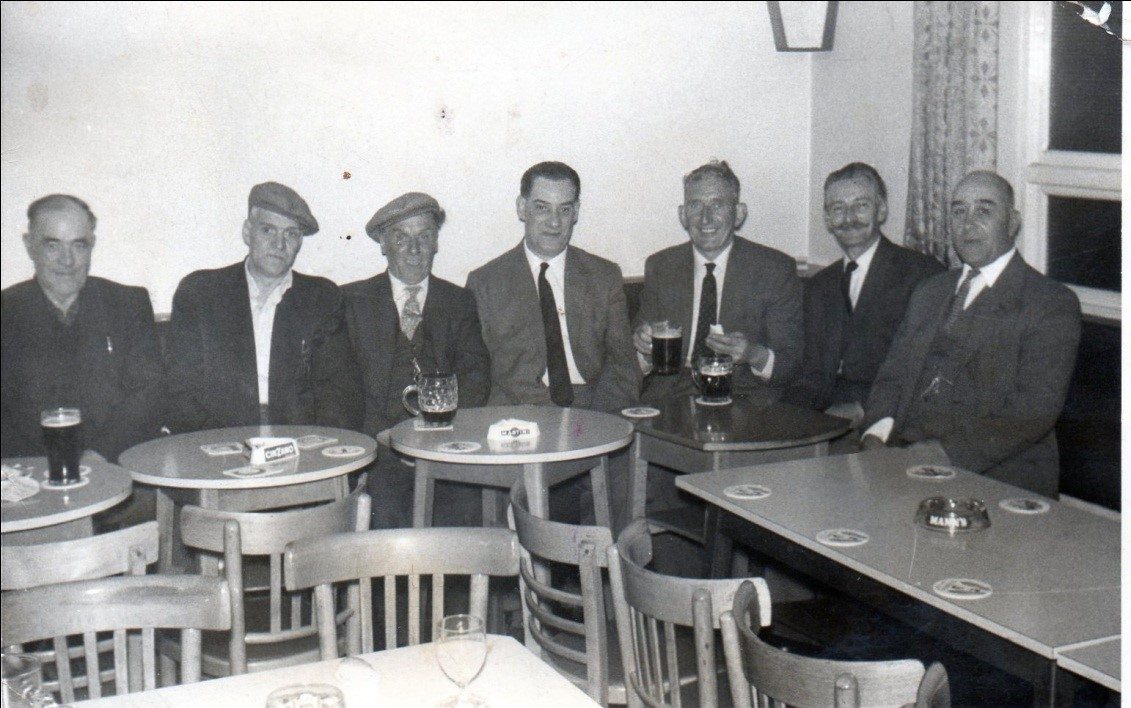
Committee members around the period of transfer in 1960
C Wardle, J Haskard, E Bend, F Bennett, T Mellors. E Abbott
Mr Jenkins from Mansfield Brewery (moustache)
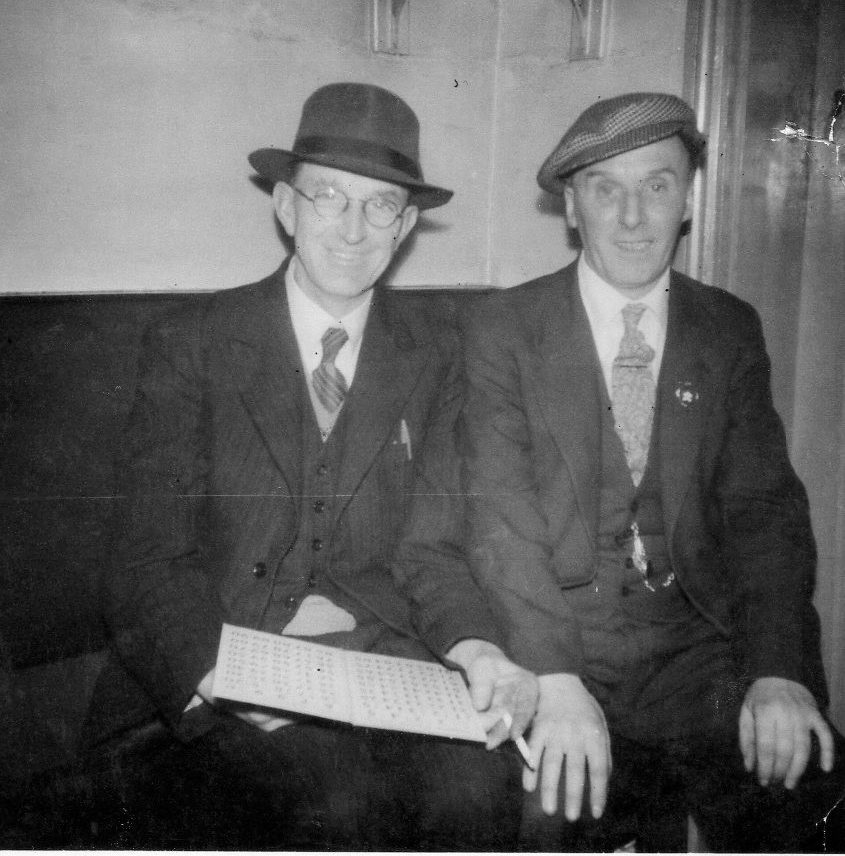
WA Davenport & E Bend both servants of the Committee.